
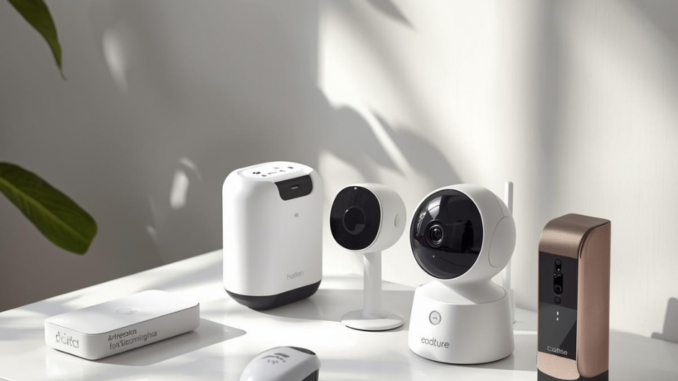

The Rise of Smart Home Security Tech — And Why People Are Rethinking Safety
Smart home security technology used to be something you only thought about after something went wrong. To begin with, most people I talk to didn’t start researching cameras, sensors, or smart locks because they were excited about tech — they started because something felt off. A package went missing. A door was left unlocked. A neighbor’s house was broken into.
Over time, I noticed a shift. People aren’t just reacting anymore. They’re proactively building awareness into their homes, and the technology behind that shift has quietly evolved into something far more thoughtful than the clunky alarm systems of the past.
How Home Security Tech Quietly Changed the Way We Live
At first glance, modern security gadgets look like convenience tools. However, once you live with them for a while, you realize they do something deeper. They reduce mental load. Instead of wondering whether you locked the door or worrying while you’re away, you simply check — or better yet, you don’t have to think about it at all.
I’ve talked with homeowners, renters, parents, and even digital nomads who all say the same thing: peace of mind is the real feature. The technology fades into the background, but the calm it creates stays front and center.
What People Actually Want From Security Tech Today
To clarify, most people aren’t looking for spy-movie setups or complicated control panels. They want systems that fit naturally into their lives. That means quick setup, clear notifications, and tools that don’t demand constant attention.
Interestingly, this shift mirrors what reviewers at places like The Verge and Wirecutter have pointed out — the best security devices aren’t the most advanced on paper, but the ones people keep using months later.
Awareness Without Anxiety
First and foremost, good security tech informs without alarming. Motion alerts that make sense, door notifications that don’t overwhelm, and cameras that give context instead of panic-inducing clips all matter more than flashy specs.
This is where systems like the Ring Video Doorbell Pro or Google Nest Cam stand out. They don’t just show footage — they explain what’s happening in a way humans can understand. There are ton of really cool devices that you can get that will make you feel more safe then ever! The most popular brands like Google and Ring you will get superior customer service, easy to install and use instructions, and top-notch quality, you can be sure that they have the latest and greatest, and even have all the kinks worked out by now, Millions of people trust them and are loving them. I do.. These security tools are just one of the many ways you can finally sit back and relax, and remember, “life’s a beach”!
Security That Fits Real Homes (Not Just Marketing Demos)
Equally important, not everyone lives in a single-family house with perfect Wi-Fi and ideal camera angles. Apartments, rentals, shared homes, and older buildings all create challenges that traditional systems never handled well.
Smart locks like the August Wi-Fi Smart Lock and modular sensor systems have changed that. Instead of rewiring doors or drilling holes everywhere, people are upgrading security without permanently altering their space.
The Human Side of Smart Security
What surprised me most wasn’t the technology — it was how people talked about it emotionally. Parents mentioned checking in while kids got home from school. Travelers described confirming things were safe without interrupting a trip. Pet owners used cameras less for security and more for reassurance.
In other words, modern security tech isn’t about control. It’s about connection and confidence.
Common Myths About Smart Home Security
On the other hand, there’s still hesitation. Some people worry about privacy. Others assume everything requires a subscription or constant monitoring. While those concerns aren’t unfounded, the reality is more nuanced.
| Concern | Reality |
|---|---|
| Too complicated | Most systems install in under an hour |
| Always recording | Privacy zones and on/off controls are standard |
| Only for homeowners | Many systems are renter-friendly |
According to breakdowns from Consumer Reports, usability and transparency now rank higher than raw feature counts when users evaluate security products.
How I Recommend Approaching Smart Security
Instead of starting with products, start with scenarios. Ask yourself when you feel uncertain or distracted. Is it when you’re away? When packages arrive? When kids come home? Security tech works best when it answers a specific question rather than trying to solve everything at once.
Once that need is clear, the technology becomes obvious — and much easier to live with long-term.
For tools that naturally integrate into daily routines, explore our post on tech you will actually use.
Final Thoughts
To sum up, smart home security isn’t about fear — it’s about awareness. When technology gives you clarity without stress, it earns its place in your home.
The best systems don’t make you feel watched. They make you feel supported.
Looking for More Tech?
Explore all categories, guides, and recommendations in one place. Head back to the Tech Hub to browse smart devices, everyday electronics, and must-have gadgets by lifestyle and use case.




Be the first to comment