
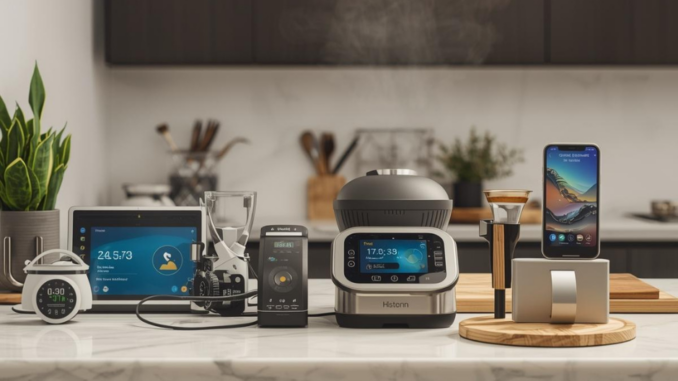

Why Smart Home Security Isn’t About Fear Anymore — It’s About Awareness
Why smart home security isn’t about fear anymore — it’s about awareness is something I didn’t fully understand until I actually lived with modern security tech instead of just reading about it. Years ago, home security meant alarms blaring, panic-driven decisions, and systems designed to scare intruders more than inform homeowners. Today, however, the conversation has shifted toward visibility, insight, and calm control rather than anxiety. Instead of reacting to emergencies, people are learning how to stay informed in everyday life. That change matters more than most people realize.
How Home Security Quietly Evolved Into an Awareness Tool
First of all, modern home monitoring tools don’t rely on fear-based triggers anymore. Rather than waiting for something to go wrong, today’s systems provide steady streams of information that help you understand what’s happening around your home. Motion alerts, activity timelines, and real-time notifications offer clarity instead of chaos. Over time, that clarity builds confidence rather than stress. As a result, security becomes something you live with comfortably instead of something you brace yourself for.
Moreover, this shift reflects how people actually live now. Many homes are busy, flexible spaces with deliveries, guests, pets, and unpredictable schedules. Because of that, awareness-focused technology helps distinguish normal activity from unusual behavior. Instead of triggering panic, you receive context. That context is what makes modern protection feel supportive rather than invasive.
Why Awareness-Based Security Feels Less Stressful
In practice, awareness-driven systems reduce mental load instead of adding to it. Instead of wondering whether a noise was something serious, you can check your phone and move on. Instead of worrying during a trip, you can see what’s happening in real time. Over time, this removes background anxiety that many people didn’t even realize they were carrying. That emotional shift is just as important as physical protection.
Additionally, awareness gives you agency. When you understand patterns, you can make better decisions without urgency clouding judgment. This is especially useful for families, remote workers, or anyone managing multiple responsibilities at once. Technology works best when it supports calm decision-making instead of fueling fear.
Devices That Support Awareness Instead of Alarm
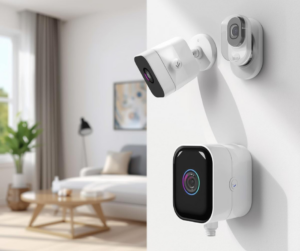
For example, products like the Ring Video Doorbell help you understand who’s approaching your home without escalating tension. Rather than startling alarms, you get visual confirmation and control. Similarly, the Google Nest Cam offers continuous awareness with smart notifications that learn patterns over time.
Meanwhile, smart lighting systems like the Philips Hue Starter Kit subtly improve security through visibility rather than alerts. Lights that respond automatically to presence or schedules add a layer of quiet reassurance. Instead of fear-based deterrence, the goal becomes normal-looking activity and informed awareness.
Likewise, monitoring hubs such as Arlo Pro Smart Hub allow homeowners to review patterns instead of reacting emotionally to isolated events. That pattern recognition is what separates awareness from anxiety.
What Research and Experts Say About Awareness-Based Security
According to industry research, users report higher satisfaction when security systems emphasize information over alarms. Publications like Consumer Reports consistently note that systems with smarter alerts and customizable notifications reduce false alarms and stress. This aligns with findings from CNET’s home security coverage, which highlights how contextual alerts improve daily usability.
Furthermore, experts at The Verge emphasize that modern systems work best when users feel informed rather than monitored. This distinction matters because trust plays a key role in long-term adoption. People stick with tools that respect their peace of mind.
How Awareness Changes the Way You Live at Home
Over time, living with awareness-focused technology changes habits subtly but meaningfully. You stop checking locks obsessively and start trusting the systems you’ve configured. You spend less time worrying about “what if” scenarios and more time enjoying your space. That mental shift improves overall quality of life.
At the same time, awareness encourages proactive improvements. You notice patterns that inspire better lighting, safer entry points, or smarter routines. Instead of reacting to emergencies, you refine your environment thoughtfully. That’s the real power of modern home protection.
Security That Fits Real Life, Not Fear Narratives
Ultimately, the goal of today’s security technology is alignment with real life. Homes aren’t fortresses; they’re dynamic environments filled with people, pets, and daily routines. Awareness-based systems respect that reality. Rather than pushing fear-driven messaging, they offer insight and flexibility.
In the long run, this approach builds confidence instead of dependency. You stay informed without feeling watched. You stay protected without living on edge. That balance is what makes modern home technology truly valuable.
Want to see how awareness-based tech fits into everyday life?
This guide is just one piece of the bigger picture. Head back to the Tech Hub to explore smart home tools, productivity tech, lifestyle upgrades, and real-world recommendations.
Affiliate Disclosure: Some links on this page may be affiliate links. If you purchase through them, we may earn a small commission at no additional cost to you.



Be the first to comment