
Emerging Tech Trends That Are Quietly Reshaping Everyday Life
Emerging tech trends are sneaking into daily life the way salt sneaks into restaurant food—suddenly everything tastes different and you’re not exactly sure when it happened. To be honest, I used to chase the loud “next big thing” headlines, but the older I get (and yes, I still surf like I’m 22 in my mind), the more I care about the quieter upgrades that actually stick. Moreover, the real shift isn’t always a flashy new gadget—it’s how devices are learning to work together, how automation is getting less annoying, and how people are choosing convenience without giving up control. Consequently, this post is about what’s truly useful, what’s hype, and what’s worth paying attention to if you want tech to serve you—not the other way around.
Additionally, I’m writing this like I talk to my friends: calm, honest, and slightly amused that we’re living in the future while still forgetting passwords daily. Meanwhile, I’ll link to real products and reputable sources so you can verify what I’m saying and explore deeper if you want. Furthermore, I’ll call out the downsides too, because every “trend” has a catch—whether it’s privacy, subscriptions, or the classic “updates broke it” moment. Finally, if you’re building your site’s internal linking, I’ll point you back to your Tech Hub and related pages as we go.
Why These “Quiet Shifts” Matter More Than the Loud Launches
First, most people don’t want more devices—they want fewer problems. In other words, a trend only matters if it reduces friction, saves time, or makes life safer and simpler. Secondly, the tech world has finally realized that normal humans don’t want to “manage” their smart home like it’s a small business. As a result, the best innovations right now are about invisibility: better battery life, faster charging, easier setup, and tools that do the job without demanding attention. Moreover, the products that win long-term are the ones that feel boring in the best way, because they simply work.
However, it’s easy to get pulled into hype cycles, especially when every influencer is screaming “game changer” over something that’s basically a fancier button. Therefore, I look for trends that show up across multiple trusted sources and also match what real people complain about online. Additionally, I pay attention to what sticks in customer reviews over months, not just launch-week excitement. On balance, trends that survive real-life use are the ones worth building posts and pages around. Ultimately, that’s what keeps your site evergreen.
Trend #1: “Low-Friction Automation” (Smart Homes That Don’t Feel Like Homework)
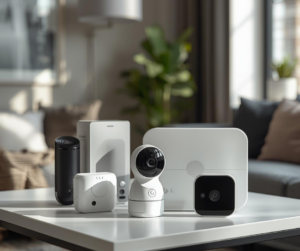
To begin with, smart home automation is shifting from “tinker hobby” to “set it and forget it.” For example, people are buying devices that solve one problem—like turning off lamps, managing routines, or reminding them about timers—without requiring a weekend of setup. Additionally, smart plugs and voice assistants are popular because they give you immediate wins with minimal effort. Meanwhile, I’ve watched friends go from “I don’t want cameras in my house” to “okay but I do want my lights automated” because convenience is persuasive when it’s simple. Consequently, the trend here is less about being futuristic and more about being practical.
Furthermore, a big piece of this trend is “interoperability”—devices playing nicer together. Not only does that reduce frustration, but it also keeps people from abandoning smart tech after one bad setup experience. Likewise, the rise of standardization discussions in the industry (you’ll see it covered across major tech outlets) is pushing brands to reduce the friction for normal buyers. In the same way, this is why your Tech Hub structure works: you’re organizing by lifestyle, not by brands. Finally, if you want a starting point, begin with smart plugs and a simple speaker, then build from there.
Internal: Tech Hub | Trending & Emerging Tech (Page) (verify URL)
Trend #2: “Battery Anxiety Solutions” (Power That Keeps Up With Real Life)
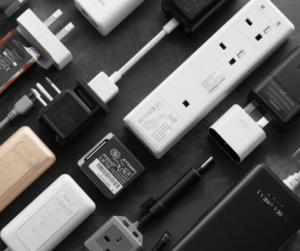
Meanwhile, battery life and charging are becoming a major consumer priority, because nobody wants their phone dying at the exact moment they need directions, a boarding pass, or proof they’re a functional adult. Additionally, the popularity of portable power banks isn’t just about travel—it’s about everyday resilience. For instance, I keep one in my car and one in my backpack, because I’ve lived through the nightmare of a dead phone in a parking lot at night. Consequently, portable power is less of a “nice-to-have” and more of a “why didn’t I do this sooner” upgrade.
Moreover, the trend is shifting toward better efficiency and smarter charging behaviors. In other words, consumers are getting pickier, and brands have to deliver reliability, not just capacity numbers on the box. Likewise, review culture has matured—people call out overheating, slow recharge times, and cables that fall apart. Therefore, if you’re recommending power solutions, you want the ones that have consistent long-term feedback. Finally, this is an easy affiliate category that doesn’t feel salesy because it solves a universal problem.
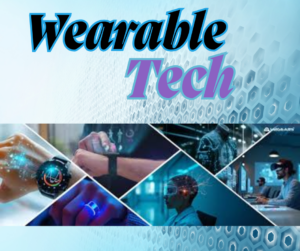
Trend #3: Wearables That Actually Help (Not Just Count Steps)
Additionally, wearables are evolving from “fitness accessory” to “behavior mirror.” For example, sleep tracking, stress indicators, and recovery scoring are becoming normal for everyday people, not just athletes. Furthermore, the cultural shift is that people want feedback loops—they want to see patterns and then adjust habits. Consequently, rings and watches are getting adopted by folks who don’t even like working out, because they want better energy and better sleep. To be clear, that’s a huge market because sleep is the one thing everyone knows they should improve.
However, wearable data can also create anxiety if people obsess over metrics. Therefore, the best wearable trend isn’t the most data—it’s better interpretation and better coaching. In the same way, “useful wearables” are the ones that help you notice patterns without making you feel judged. Moreover, reviews often mention whether the device becomes a helpful nudge or a nagging voice. Finally, if you’re building internal links, this naturally connects to your Wearable Tech page and Wellness content.
Wearable Tech & Smart Accessories
Quick “What’s Worth Watching” Chart
| Trend | Why It Matters | Common Pitfall |
|---|---|---|
| Low-friction automation | Less daily decision fatigue | Overbuying devices too fast |
| Portable power solutions | Reliability on the go | Cheap batteries that degrade |
| Wearables with real insights | Better habits, better sleep | Obsessing over metrics |
Reputable Sources
Consequently, if you want to track emerging shifts without drowning in hype, I recommend reading a few sources that consistently cover real consumer impact. Additionally, these links help your page show outbound authority. Moreover, they’re useful for future post research and for cross-referencing claims. Finally, don’t copy them—use them to inspire your own take and structure.
Want the full map of tech picks organized by real life?
Head back to the Tech Hub to browse categories like smart home, wearables, productivity, travel, gifts, and more — all built for the way people actually live.
Affiliate Disclosure: Some links may be affiliate links. If you buy through them, we may earn a small commission at no extra cost to you. We only recommend products and services we believe offer real value.


Be the first to comment