
Wearable Tech Trends Are Quietly Changing How We Pay Attention to Ourselves
Wearable tech trends didn’t explode overnight. To begin with, they crept into our lives slowly—first as step counters, then as heart-rate monitors, and eventually as daily companions we barely notice anymore. I remember wearing my first fitness tracker and checking it obsessively, like it had the answers to questions I hadn’t learned how to ask yet.
Over time, however, something shifted. Instead of pushing harder, newer devices started encouraging awareness. That change says a lot about where technology—and we as users—are heading.
To Begin With, Wearables Used to Be About Performance
At first, most people approached personal devices as scoreboards. Steps, calories, minutes active—it all felt like a game. However, after years of wearing different trackers, I noticed that constant performance metrics often created more stress than motivation.
Interestingly, feedback from reviewers and long-term testing published by Wirecutter began echoing the same thing: people didn’t want more data—they wanted better insight.
As a Result, Modern Wearable Devices Started Getting Quieter
As a result, newer smart accessories began focusing less on alerts and more on patterns. Devices designed around recovery, sleep, and long-term habits now dominate conversations around modern body-focused electronics.
For example, rings and subtle trackers prioritize trends over daily scores. Instead of telling you what to do, they show you what’s happening and let you decide.
For Instance, Rings Changed the Conversation
For instance, products like the Oura Ring redefined what people expected from personal tracking. Rather than flashing notifications all day, it quietly records data and presents insights later.
From personal experience, this approach feels healthier. I stopped reacting to numbers and started reflecting on habits instead.
Meanwhile, Smartwatches Became Lifestyle Tools
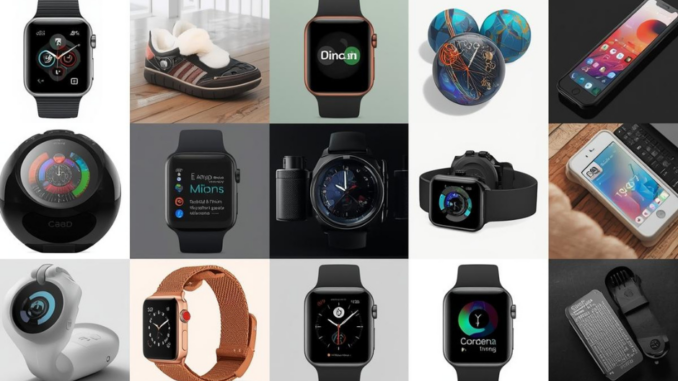
Meanwhile, smartwatches evolved beyond fitness. They now manage communication, safety, and daily logistics. This evolution reflects broader wearable technology patterns where devices blend seamlessly into life.
The Apple Watch Series illustrates this shift well, balancing health insights with everyday convenience.
Coverage from The Verge often highlights how wearables are no longer niche tools—they’re becoming default accessories.
In Contrast, Overstimulating Tech Is Falling Out of Favor
In contrast to earlier designs, constant buzzing and gamification now feel outdated. Users want technology that supports well-being without demanding attention.
This reflects a broader change in how people engage with body-focused electronics—less obsession, more awareness.
In the Long Run, Awareness Beats Optimization
In the long run, the most valuable wearable devices aren’t the ones that push you hardest. They’re the ones that help you notice patterns you would otherwise miss.
According to research shared by NIH, long-term behavioral awareness is more effective than short-term performance pressure.
How This Fits Into the Bigger Tech Picture
With this in mind, wearables now sit comfortably alongside other everyday tools. They’re not center stage anymore—they’re background support.
To explore how personal devices connect with other electronics categories, visit Top Tech Gadgets & Smart Devices.
Final Thoughts
To sum up, modern personal devices aren’t about doing more—they’re about noticing more. That subtle shift makes all the difference.
If current trajectories continue, wearable innovation will focus less on metrics and more on meaning.




Be the first to comment