
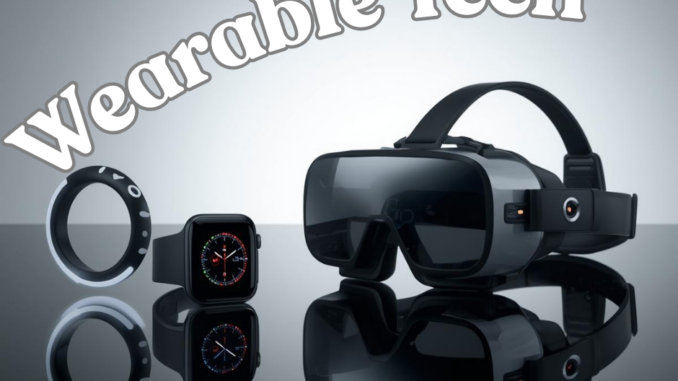
Wearable Tech That Actually Changed How I Move, Sleep, and Work
Wearable Tech That Actually Changed How I Move, Sleep, and Work wasn’t something I expected to happen all at once, or even intentionally. At first, I picked up wearables the same way most people do—out of curiosity, mild frustration with bad habits, and the hope that maybe one small device could help me feel a little more in control of my days. What I didn’t expect was how much the right body-focused technology would quietly reshape my routines without demanding constant attention.
Instead of becoming another distraction, these devices slowly blended into my life. Over time, they nudged me to move more naturally, rest more intentionally, and work with better awareness. Importantly, none of this happened through guilt or pressure. Rather, it happened through feedback that felt practical, human, and grounded in reality.
Why I Was Skeptical About Body-Focused Tech at First
Initially, I was deeply skeptical of health-tracking gadgets because so many promised transformation without context. Too often, devices focused on metrics without explaining what to do with them. As a result, I saw plenty of friends abandon their trackers after the novelty wore off.
However, what changed my perspective was realizing that the best wearables don’t shout instructions. Instead, they observe quietly. Over time, they reveal patterns that help you make smarter decisions without forcing behavior. That distinction made all the difference.
How Movement Awareness Became Effortless
Over time, motion-tracking tools helped me recognize how inconsistent my daily activity really was. While I thought I moved “enough,” the data told a different story. More importantly, it showed *when* I stalled and *why*.
Rather than pushing intense workouts, these devices encouraged micro-adjustments. For example, standing more often, stretching during long work sessions, and pacing myself throughout the day became natural habits. As a result, movement felt integrated instead of scheduled.
Sleep Data That Actually Improved My Nights
Eventually, sleep tracking became the most impactful feature. Instead of obsessing over “perfect” rest, I learned how subtle changes affected recovery. For instance, late meals, screen time, and inconsistent bedtimes showed up clearly the next morning.
Because the feedback was neutral and consistent, it didn’t feel judgmental. Instead, it felt informative. Over weeks, I made small adjustments that dramatically improved how rested I felt without chasing unrealistic sleep goals.
Research from organizations like Sleep Foundation confirms that trend-based sleep tracking is more effective than rigid metrics, which aligns closely with my experience.
Workdays Became More Focused, Not More Tracked
Surprisingly, productivity benefits showed up without effort. By recognizing stress spikes and long sedentary stretches, I adjusted my workflow naturally. Short walks replaced endless scrolling. Breaks became intentional instead of reactive.
Importantly, this wasn’t about squeezing more output from each hour. Instead, it was about preserving energy. Devices that emphasized balance helped me work longer without burning out.

The Devices That Earned Their Place
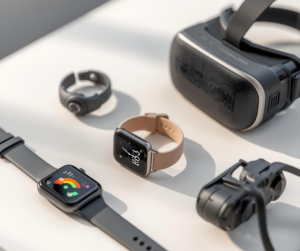
Not every wearable made the cut. Only a few stood out as genuinely helpful over time. These are the ones that stayed because they provided value without demanding attention.
Meanwhile, insights from CNET Fitness Tech and The Verge Health Tech reinforced what I experienced firsthand—wearables succeed when they reduce friction, not add complexity.
Why These Tools Didn’t Become Noise
Ultimately, the reason these tools worked is simple: they respected attention. Notifications were minimal. Feedback was contextual. Over time, awareness replaced reminders.
Instead of chasing numbers, I learned to listen to patterns. That shift changed how I approached health, focus, and recovery without turning life into a dashboard.
Want to see how all your tech fits together?
These wearables are just one piece of the bigger picture. Head back to the Tech Hub to explore tech by lifestyle, habits, and real-world use—not hype.

Be the first to comment